Spate

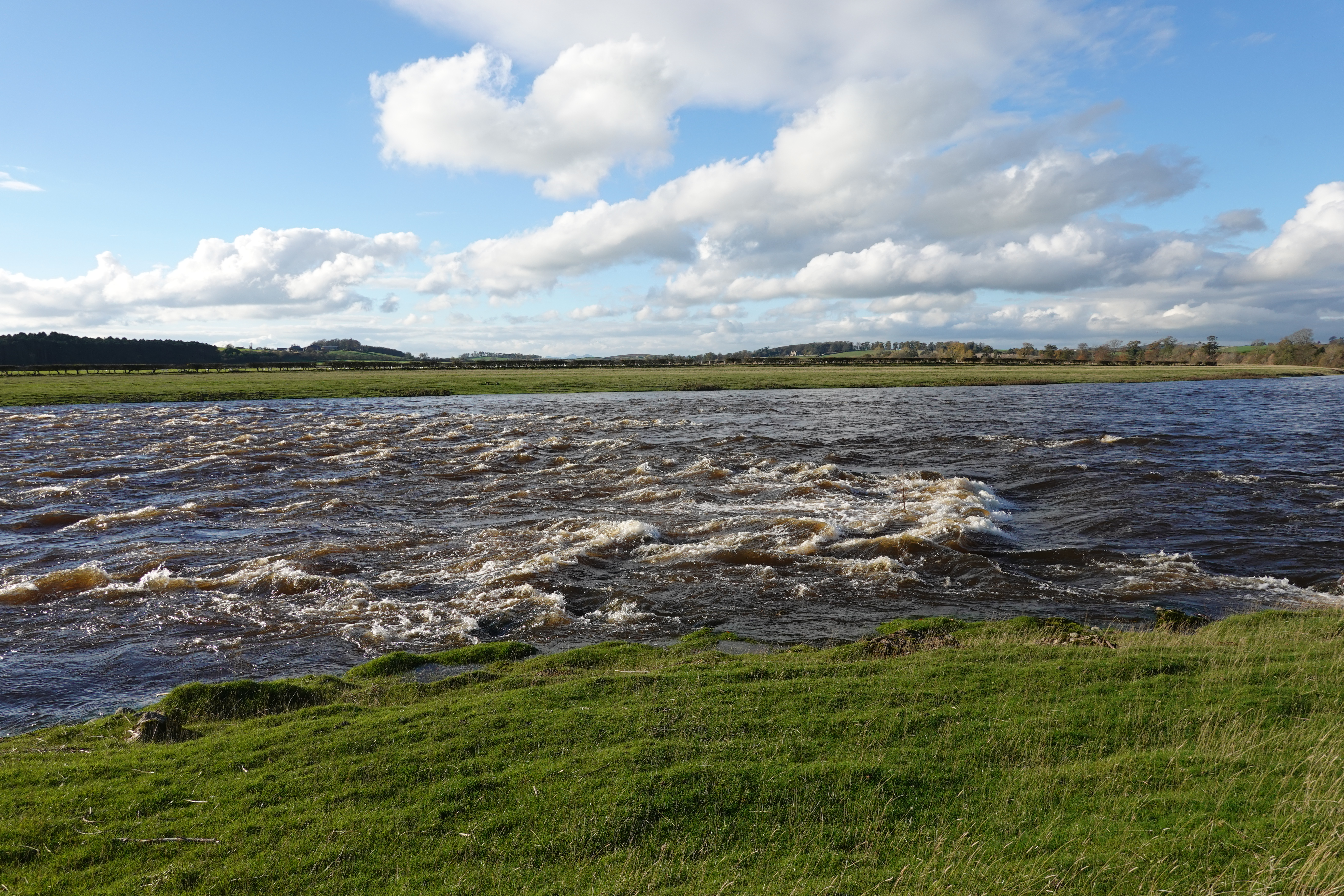
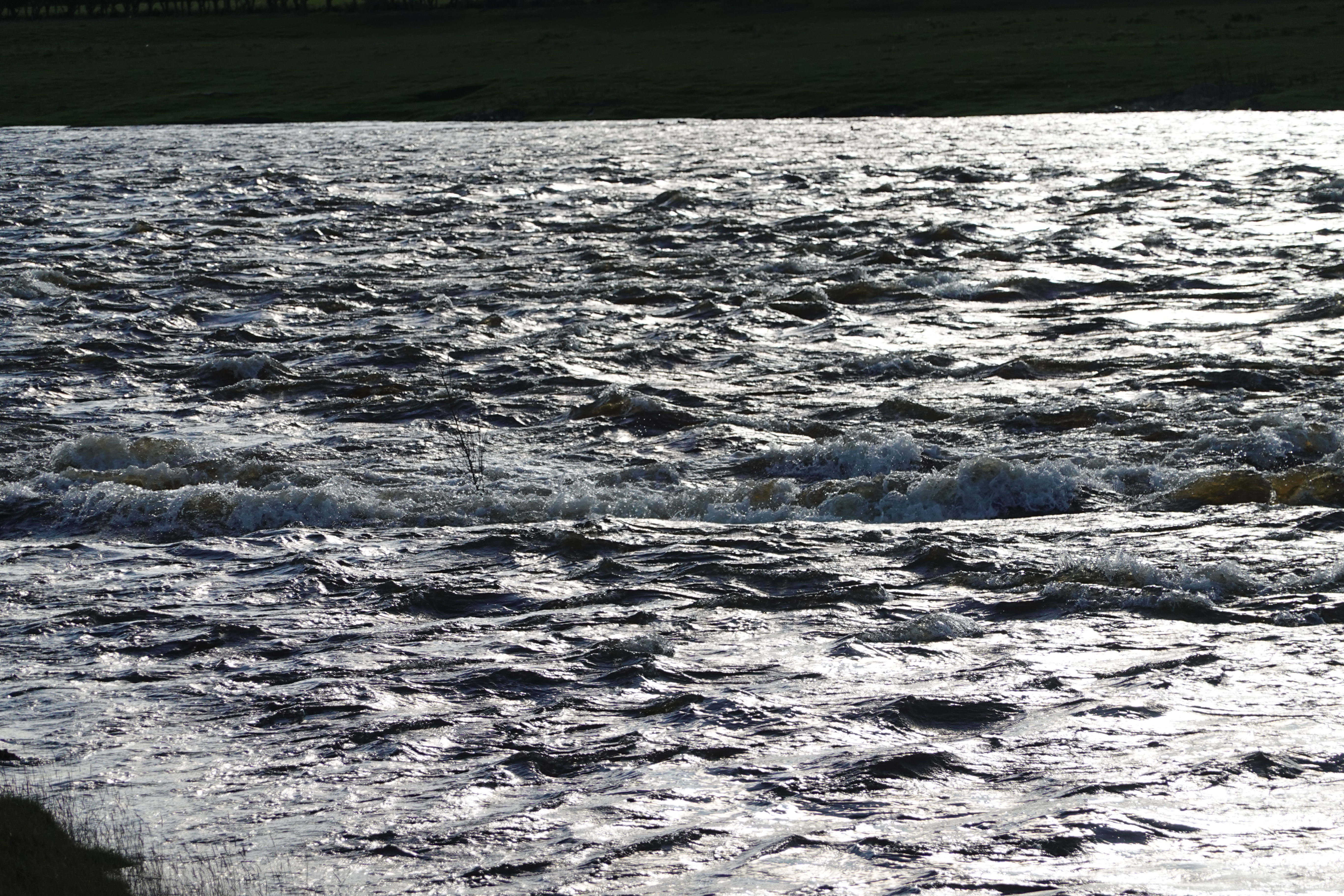
White noise, brown water.
She snatches sticks, tickles the grass.
Do the fish think it’s a bit windy today?
Is the water’s wash a gill-gale?
Or perhaps it’s a firm massage
A loving caress of their silky sides
The river gives her children
Squeezed tight by the singing water
A hug that says,
“Soon, all of this will be yours, my child.”

Images are of the River Tweed in November 2022, taken from the Scots side. I wrote the first draft of the poem in 2020, after watching fish in the River Windrush, and polished it just now after seeing the mighty Tweed with its swimming swans and leaping salmon.

Heatwave Times

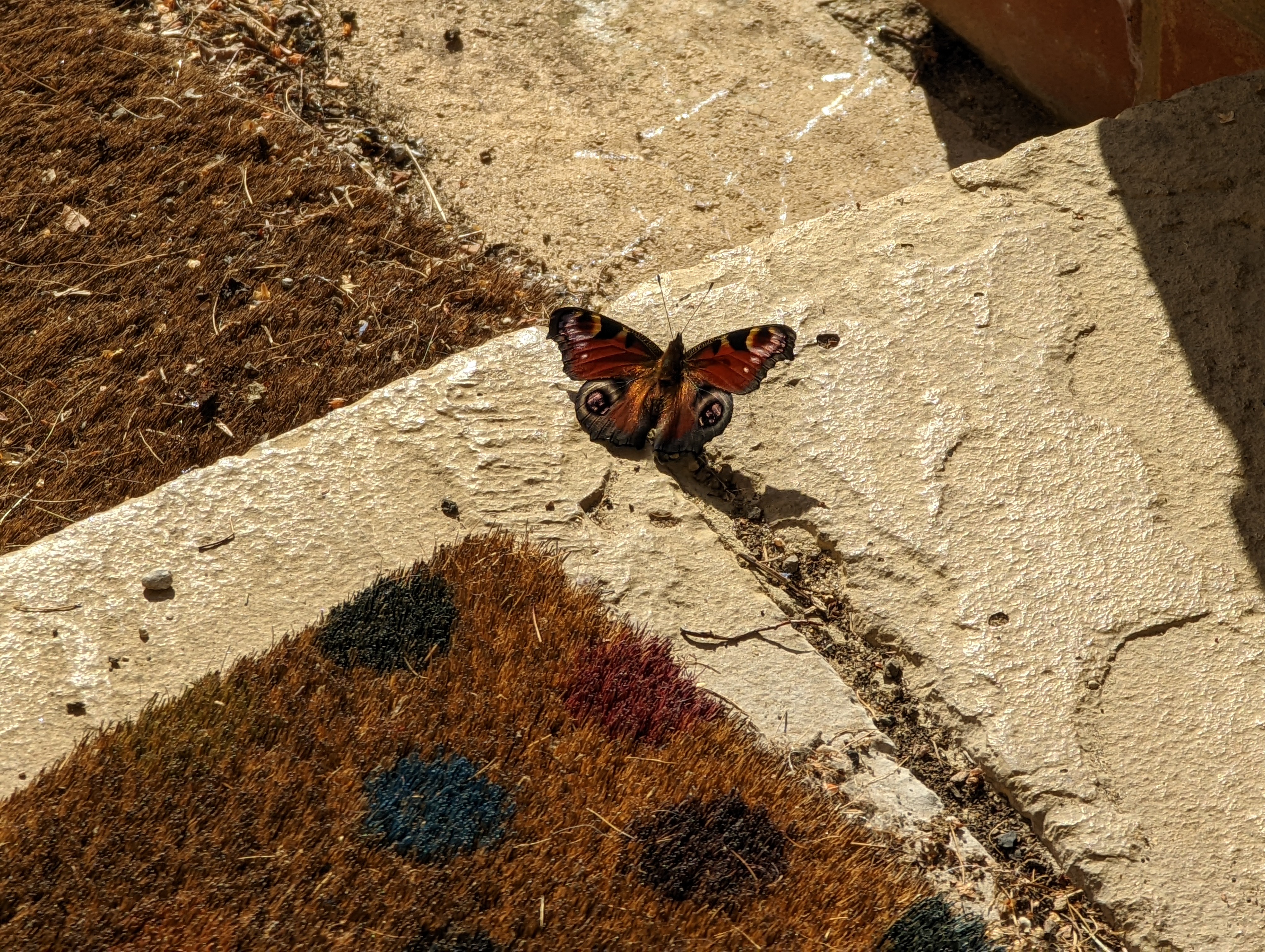
The forecast is for 36 degrees in this part of England today. If you’re reading this from another part of the world, be assured that that is HOT for us! I decided to get up early and go running before the heat of the day really got started, but when I opened the door, I found the doorstep already occupied by a peacock butterfly, opening and shutting its wings in a slow blink of warning that said, This is my spot and it’s hot. Yeeeesssssss!
I stepped over it very carefully, but it fluttered at my face and then landed on my tummy like a gorgeous belt buckle. Satisfied that I wasn’t going to spend long on its prime basking spot, it settled back on the doorstep.
It only seems to have taken a couple of days of intense sun to turn the green playing field into straw. A few jackdaws were standing about, panting with their beaks open. Surely they’re intelligent enough to seek shade? Perhaps there’s no food there. I wanted to tell them there’s a bowl of water in my garden.
I kept finding magpie feathers on the edges of the field, as if a bird had been delicately undressing, casting off primary feathers like opera gloves. I did the minimum number of laps as it was already starting to get uncomfortable, waving hello to one of the dog-walkers I normally see much later. Got back to a baking driveway – the butterfly having become fully charged had left its hot spot – and the neighbour’s cat was, as usual, sitting on her drive, watching my return with the inscrutability of an indulgent deity.

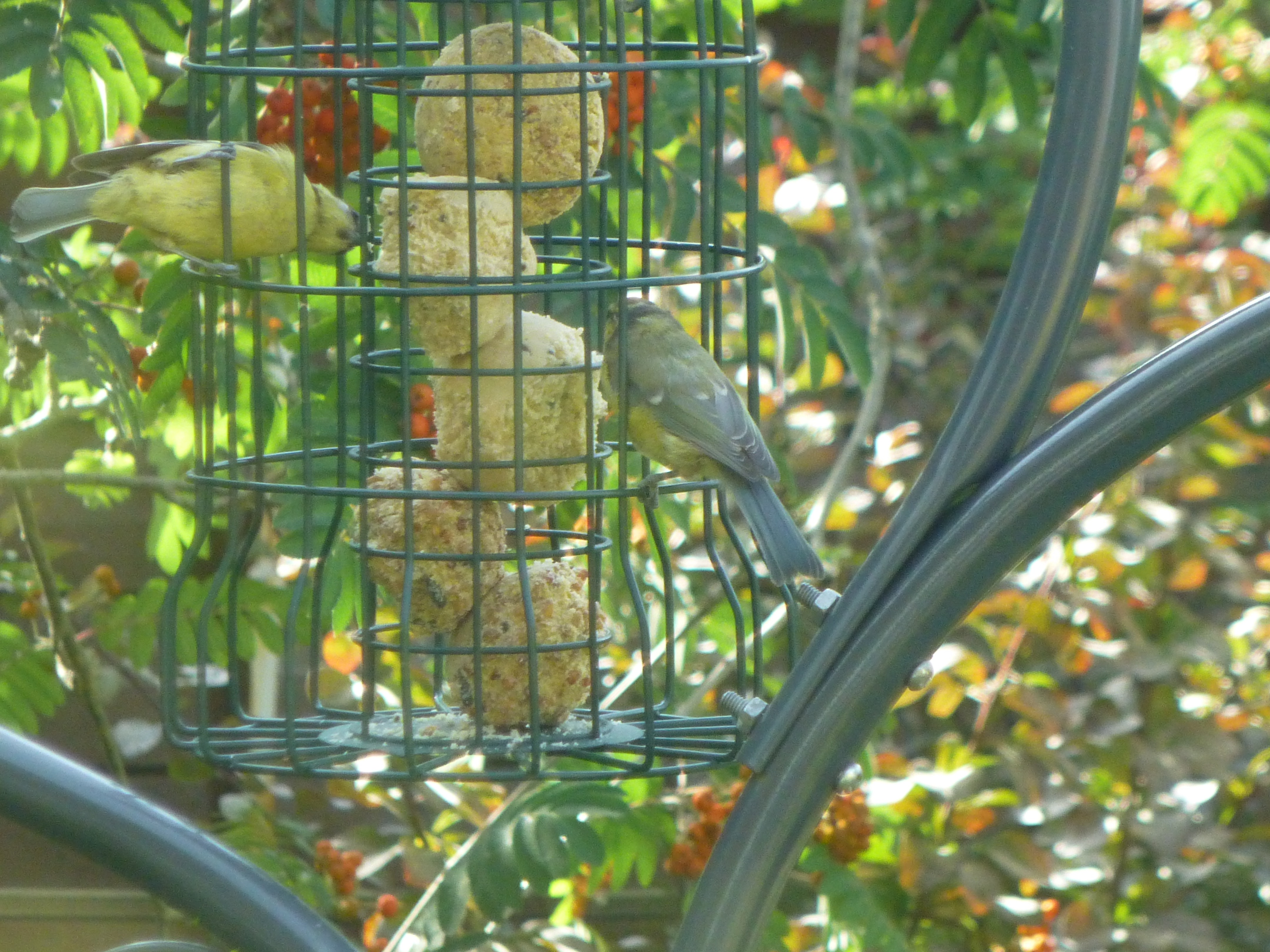
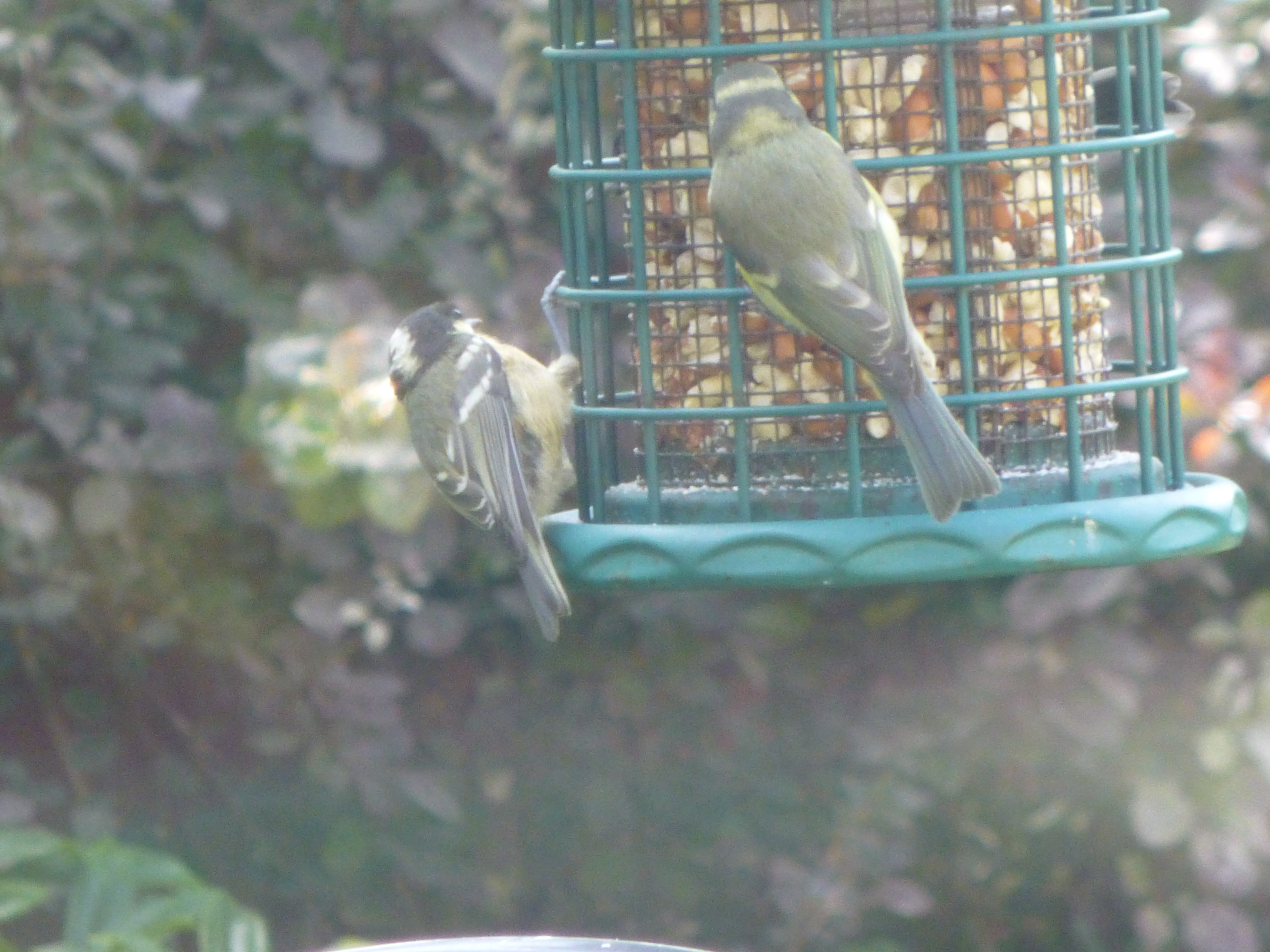
On my way to the shower, I got distracted by the bird feeder. At the moment, it’s absolutely teeming with little baby blue and great tits – all shockingly unsupervised by any adults, and behaving just as chaotically as you might expect. In the last couple of days, we’ve also been visited by a couple of baby coal tits trying to blend in with the swarms of blueys. Their parents have probably told them to adopt the usual coal tit modus operandi of swooping in, grabbing a morsel of food, then darting off to a safe place to eat or cache it, but mmmmmm the fat balls are tasty and they can’t quite bear to stop at one nibble. They look a bit like young great tits, till you see them together and realise that they are half the size. All these baby tits have a yellowy cast to them, like a 1970s colour photo. Although they manage very well at the important and intense task of Getting Those Nuts Eaten, they still haven’t mastered the art of danglebird agility just yet, and are inclined to land on each other, the slippy bits of the feeder structure, or the strange metal bird that was supplied as part of it. Sometimes they fly in and hover while they try to work out where to park, before trying out impossibly slender twigs, sloping bits of roof and their siblings’ heads.
Yesterday morning I was woken twice by baby great tits coming into the bedroom! Marks on the windowsill and much tapping at all hours suggest that the house is quite interesting to the birds, and in the heat, I’ve had one side of the three window panels wide open. A baby great tit managed to get in, then tried to get out through the closed panel at the other side. My movement towards the handle encouraged it to flutter in the right direction. Half an hour later, more whirring and donking told me a little bird was trying to get out. This one was totally fixated on the centre panel (which doesn’t open) and when I lifted the blind to open the other side, it squeaked in terror. Poor little thing was so frightened, I felt quite upset. I must have seemed like a monster to it, no matter how softly I spoke and how slowly I moved. Today, I’m looking at baby great tits on the feeder, and wondering if they’re the one whose frantic wing-breath I felt on my arm, whose panicking little face was only inches from mine…and who wrecked my dried flowers.
Archaeology

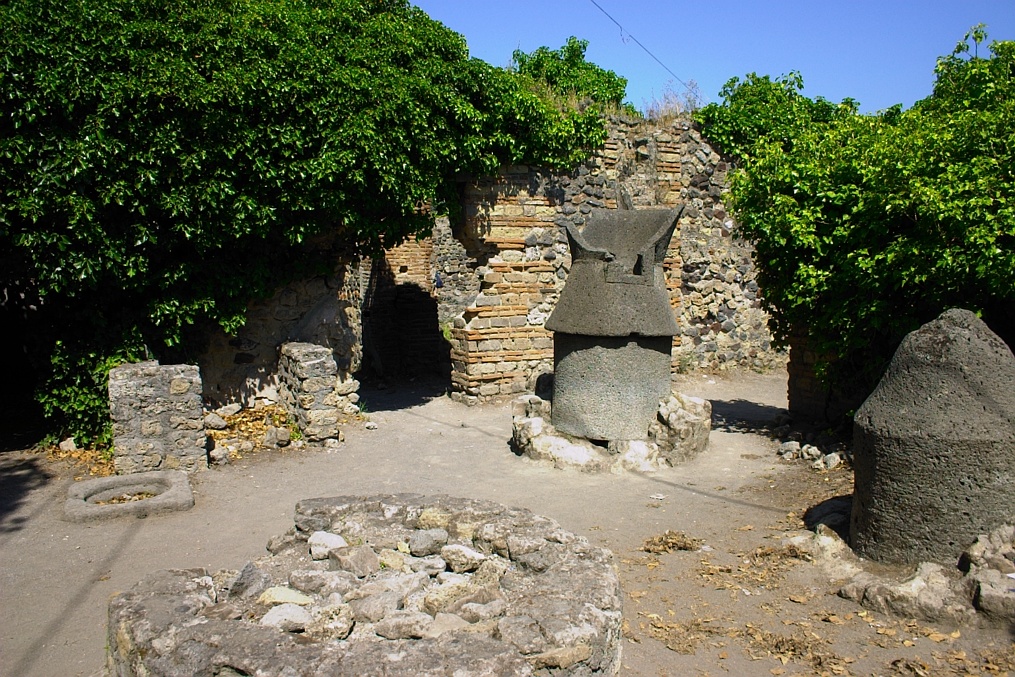
We walked in the ashes of a city
Ovens greened with ivy
Olive jars full of stones.

Game fluttered on cracked walls
We stepped over the holes where box hedges
Burned where they stood.

Time stood still
The olive sellers curled up cradled by ash
Outside the brothel
Soft arms grey and hot
Breath drawn hard
The bath-house full of glass and death masks.

A silent garden that was a bakery
A coach party where once they whispered to the gods.
I soak the ashes from my feet.

A friend just shared some photos from Pompeii, and I remembered this poem I wrote in about 2005. I like to sit quietly at ancient sites and see what comes to me.

Perfect weather

It’s a beautiful day today, still and sunshiny: the perfect day to go outside. However, in England, if you waited for a day like this before you went for a walk, you’d spend a lot of your time indoors. Last week I went for a walk in the rain. While I like – and often repeat – the expression “There’s no such thing as bad weather, only the wrong clothing”, it’s not completely true: after all, go out in a gale and no amount of high-tech fabric will protect you from a falling oak tree! However, it is worth having clothes for (almost) all eventualities if you live in the British Isles.

I’d been at my desk all morning and was getting a bit frazzled about various things, so I decided to go out, despite the drizzle. It was the kind of rain that you could ignore, but shouldn’t: “Just enough to make you wet” as a fellow villager said when he spotted me putting my hood up and then putting it down again. There were a few bluebells in gardens so I thought they might be out in force in the woods.

They weren’t, but as is often the case when I go out looking for one thing, I find something else instead. I followed a path that goes parallel to the main road instead of crossing it via a footbridge. That way lies mud, and in the rain there’s probably more of it!

Close enough to the road to hear a faint hiss of white noise, the rain kept the air mossy-fresh and clear. Few of the trees are fully in leaf so far, so the danglebirds are still quite visible and pinging all over the place. I’m sure they all sing more loudly when it’s raining. A chiffchaff was calling loudly, then it stopped and another bird started to say “Toff-ee, toff-ee!”  According to the BirdNet app – which I miraculously managed to activate before the bird stopped calling – that was also a chiffchaff. I never seem to hear the same words that books fit to bird song. A longer blog post about that is planned. Blue, great and coal tits were shouting each other down…robins were turning the place into a woody wonderland, and then the ear-bending song of a wren blasted out close by. I tried to spot it, and suddenly it flew across in front of me, almost brushing my shins, a tiny gingery missile.

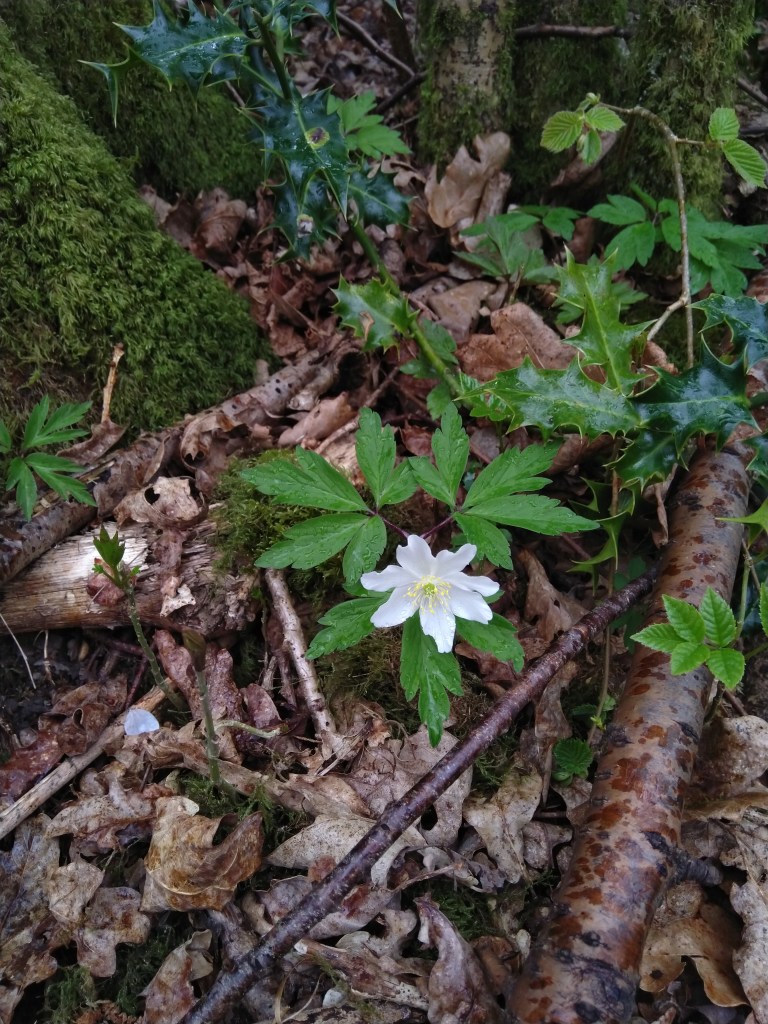
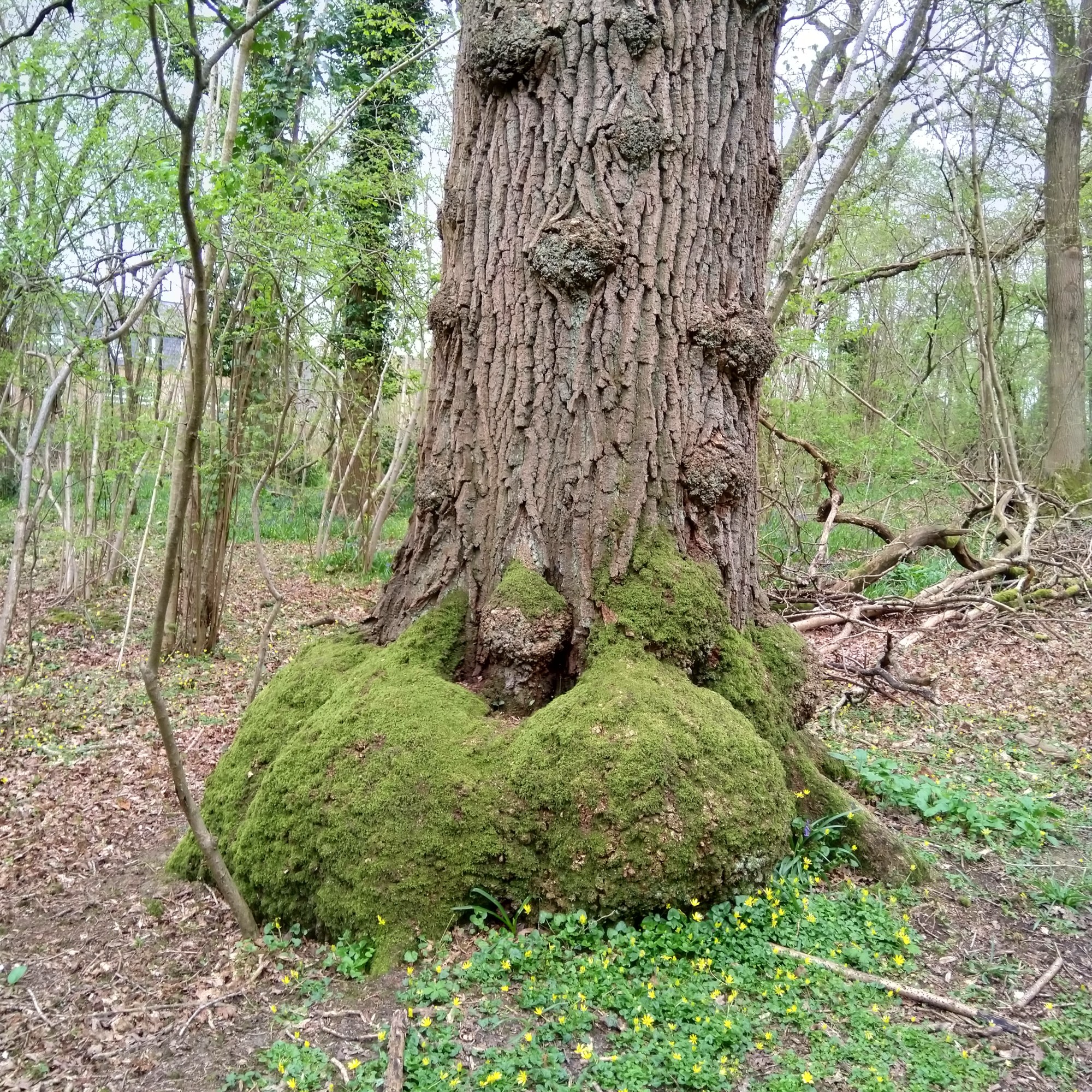
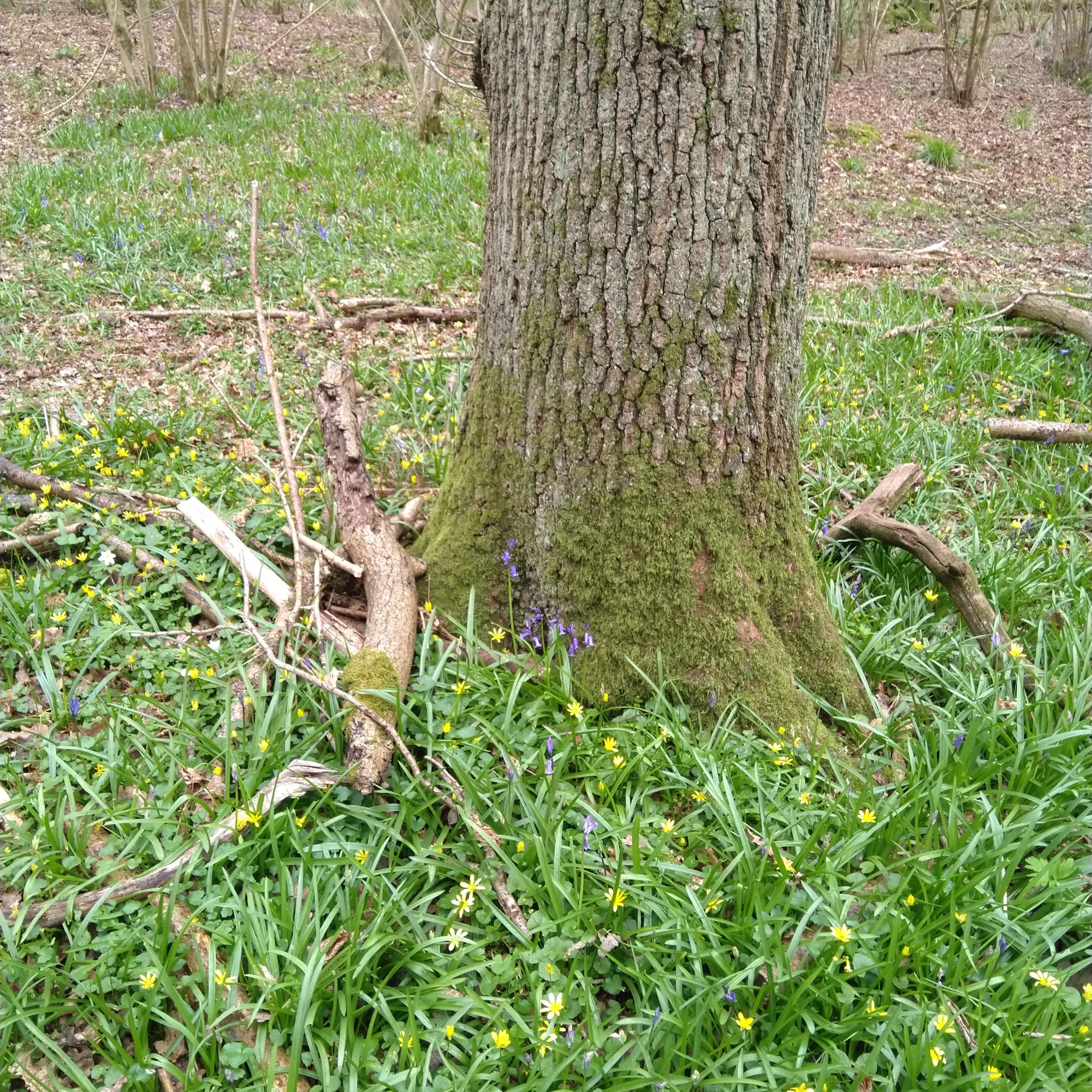
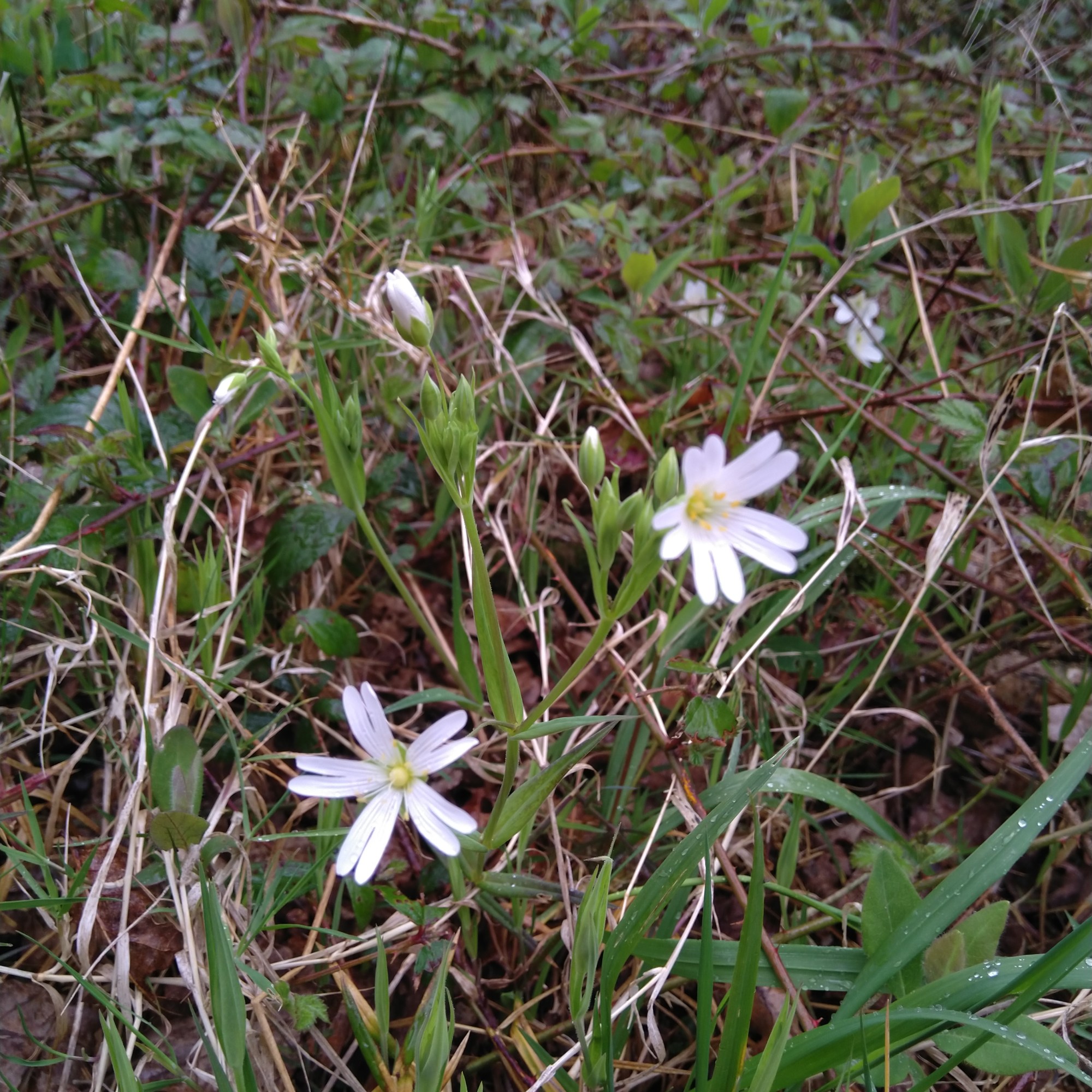
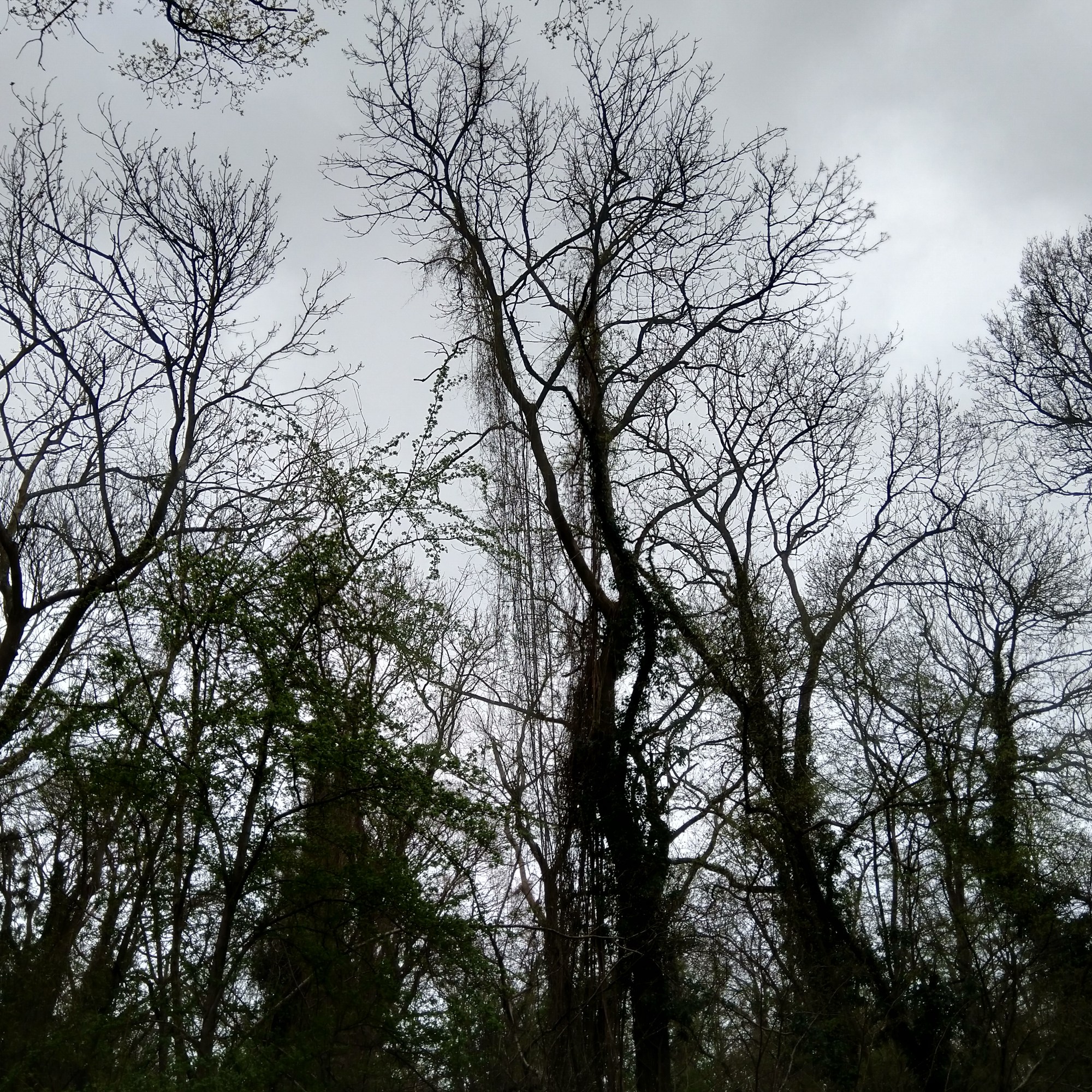
There was only a light sprinkling of bluebells: the main crop will be in a couple of weeks, I think, but lots of other flowers dotted the forest floor. Wood anemones, stitchwort, celandine: whites and yellows with the indigo of bluebell buds. Their hyacinth scent already hangs high in the air. A bluebell wood is one of the great natural spectacles you can see in England. It’s one of those things I long to draw or paint accurately. As I sat down to listen, the rain got heavier and a song thrush began to warble and trill high in a tree. A great-spotted woodpecker drummed. I looked up for them, and saw a giant harp, creepers hanging straight down from a curved trunk. Everything was right.

A little bit of shinrin-yoku works wonders. I got home damp, but much calmer.

Don’t wait for perfect weather.

The Danglebird Dilemma

The bird books tell us that certain types of bird, like robins and dunnocks, don’t cling to our bird feeders, but instead tend to feed on the debris underneath. You can even buy low, flat bird tables that they can stand on (why they’d want to do that instead of rummaging around unseen in the grass, I’m not sure, but I expect sparrowhawks are all for it). We can’t really call them danglebirds because they don’t dangle.

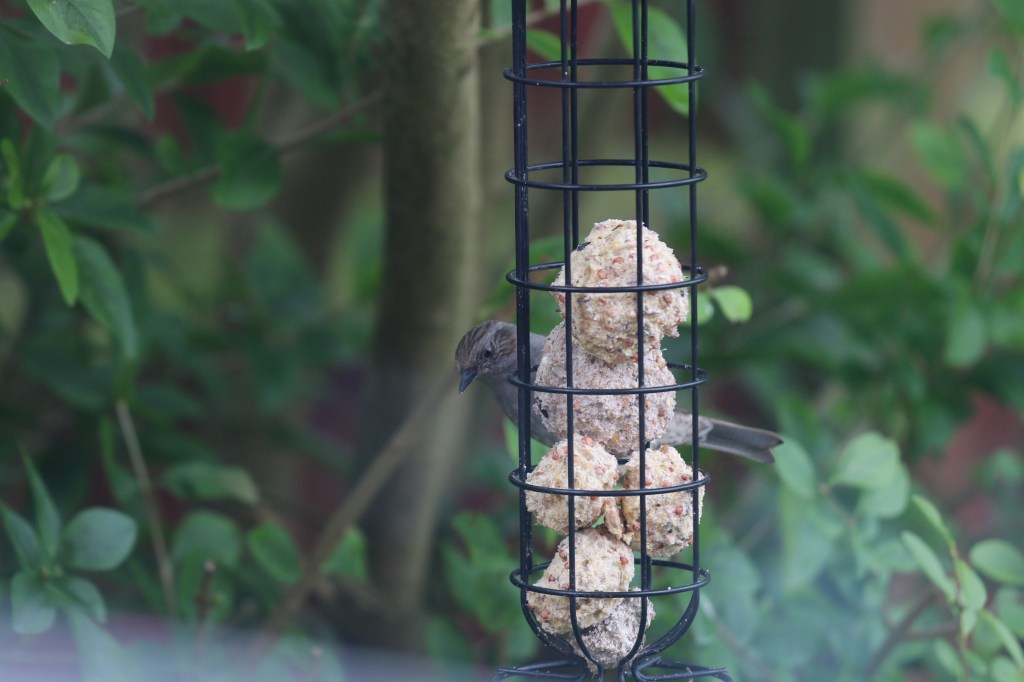
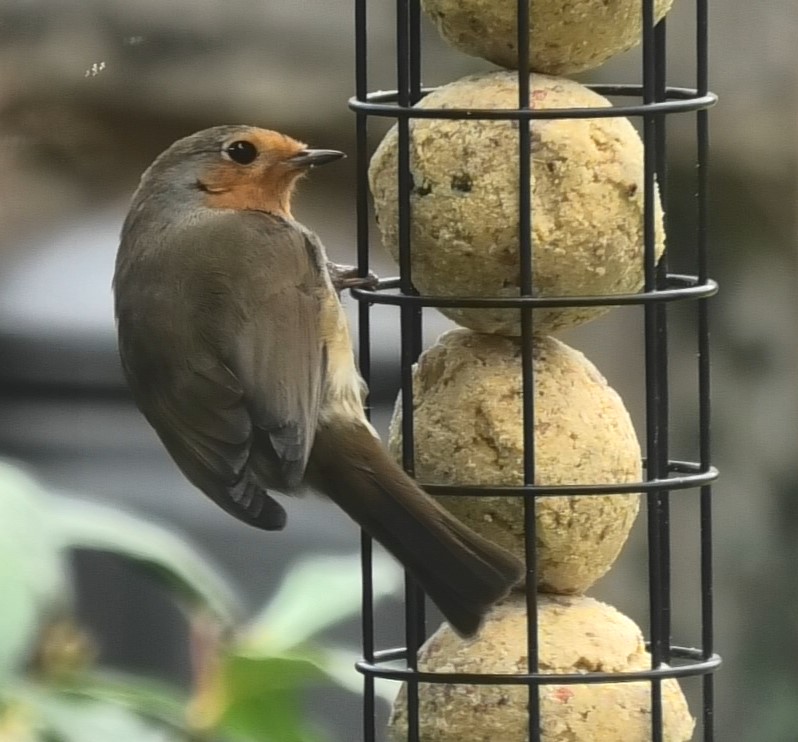
Then along came Clever Robin and Dauntless Dave the Dangling Dunnock. I may have to refine my definition. Dauntless is a bit shy and very hard to photograph, but Clever loves to show off. Sometimes, he even hovers, which must use more calories than he can eat.

Dauntless Dave and Clever Robin may, of course, be several different birds. There are certainly at least two robins and three dunnocks regularly flitting about in our garden. Have they all mastered the art of dangling? I’ll probably never know.

Danglebirds

I’m on a one-woman mission to introduce a new term to the birding world: danglebird.

The definition, which I’m working on, is something like, “a small bird which dangles athletically from thin branches, bird feeders and ivy, often without any regard for gravity.  Gathers in groups which are sometimes quite large and pings from tree to tree.”

You may reasonably argue that there’s already a word for that, or two: tits and finches.  Then there are a few birds who are technically finches, like redpoll and siskins, who don’t have “finch” in their name, thus adding to confusion.  Incidentally I don’t think nuthatches or tree-creepers fall into this category as they don’t dangle from thin twigs, but feel free to disagree with  me.

Language evolves. I think it’s useful to be able to say to another person, “Look, danglebirds!” and point at a nearby clump of trees, filled with twittering black specks.  Then you don’t have to wait until you’ve decided what kind of danglebirds they are.  You might even alert someone who knows better than you do and can help out with ID. It also feels a little bit more scientific than pointing and mumbling, “Birds!”, especially if in the company of knowledgeable people.

It would also be a good term to put on bird feeders or foodstuffs like fatballs, “For danglebirds.”

Main picture shows some blue tit fledgelings honing their dangling skills. The top one has got the “upside-down” bit sussed but hasn’t yet got as far as the practical application of this skill to the feeder.

Some Danglebirds doing their thing.